One Identity. Every Service.
CiviLink is a consent-based digital ID solution that allows citizens to access healthcare, education, and social assistance using one secure digital identity.

Core Features
Built for Trust, Designed for Everyone
CiviLink combines privacy-first principles with seamless interoperability to empower citizens and streamline governance.
Unique Digital Identity
Each citizen receives a single, secure digital identity that works across all government platforms and services.
Consent-Based Sharing
Citizens control what data is shared, with whom, and for what purpose. No data moves without explicit consent.
Interoperable Design
Built on interoperable digital ID principles aligned with MOSIP, enabling seamless integration across agencies.
Secure Authentication
Multi-factor authentication and encryption ensure that identities are protected from unauthorized access.
Inclusive Access
Designed to serve all citizens including marginalized populations, reducing exclusion from essential public services.
Scalable Architecture
A centralized yet privacy-respecting architecture built to scale across different countries and governance structures.
How It Works
From Registration to Service Access
A simple, citizen-centric process that puts privacy and consent at the heart of every interaction.
Register
Citizens enroll in the system and receive a unique digital identity linked to biometric and demographic data.
Authenticate
Securely verify identity through multi-factor authentication when accessing any government service.
Consent & Share
Choose exactly what data to share with each service provider. Full transparency and control at every step.
Access Services
Seamlessly access healthcare, education, social assistance, and more through a single trusted identity.
System Architecture
Centralized Trust, Decentralized Control
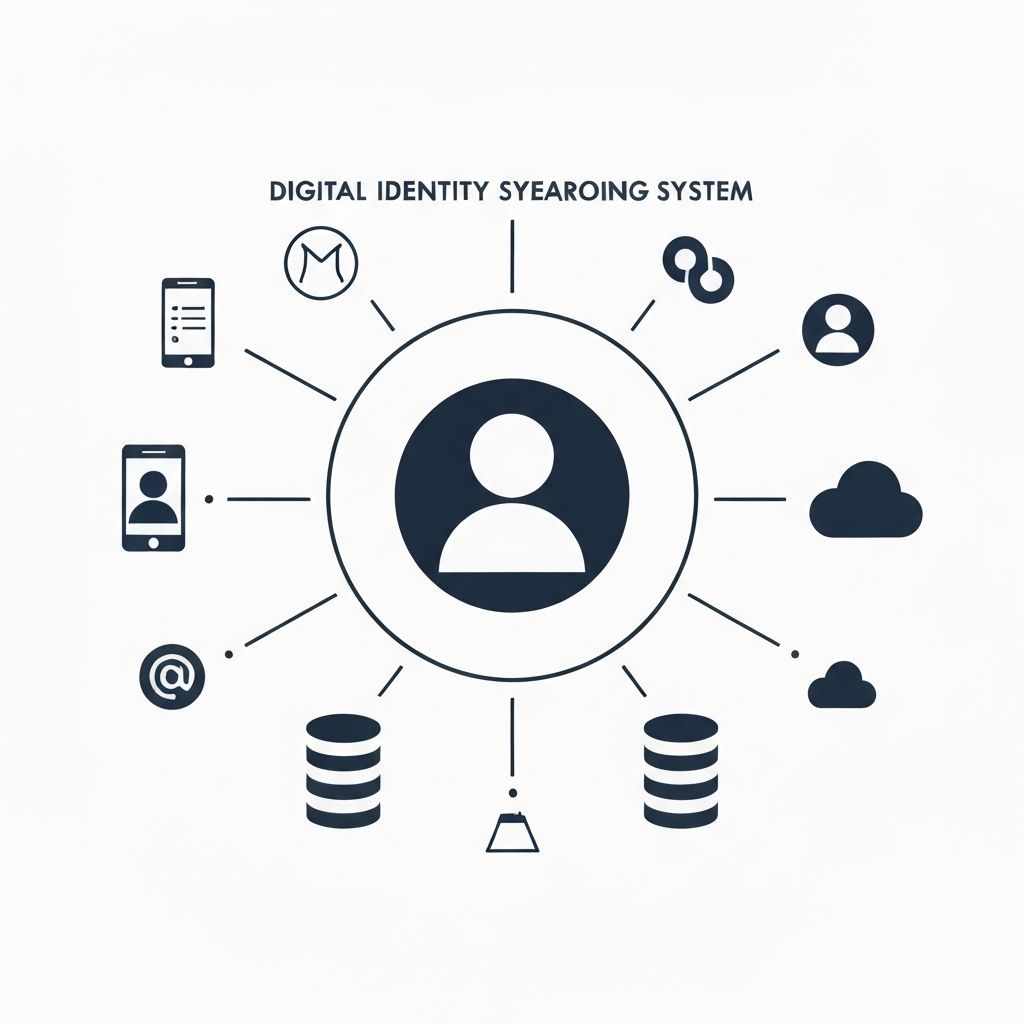
CiviLink is designed around interoperable digital ID principles and aligned with platforms like MOSIP. The architecture balances institutional trust with individual agency.
Privacy-Respecting Core
A centralized identity registry with strict access controls ensures data is only available to authorized parties with citizen consent.
Cross-Sector Interoperability
Standardized APIs allow healthcare, education, and social services to authenticate citizens without duplicating data stores.
Scalable & Modular
The system is built to adapt to different national governance structures, supporting phased rollouts across multiple countries.
User Experience
Real Impact on Real Lives
See how CiviLink transforms everyday interactions with public services for citizens across Africa.
Amina
Mother of two in Nairobi
Scenario
Enrolling her children in school
Before CiviLink
- Visit 3 government offices for birth certificates
- Wait weeks for verification across agencies
- Carry stacks of paper documents
With CiviLink
- One digital ID links to verified birth records
- Instant consent-based sharing with the school
- Paperless enrollment in under 5 minutes
Kwame
Farmer in rural Ghana
Scenario
Applying for a government subsidy
Before CiviLink
- Travel hours to the nearest government office
- Re-submit identity documents already on file
- No way to track application status
With CiviLink
- Authenticate via mobile with biometrics
- Pre-verified identity speeds up approval
- Real-time status updates on his phone
Fatou
University student in Dakar
Scenario
Accessing student healthcare
Before CiviLink
- Separate IDs for university and clinic
- Medical history locked in paper files
- Repeat intake forms at every visit
With CiviLink
- Single digital ID across education and health
- Consent to share relevant medical history
- Seamless check-in at any partnered clinic
Dr. Osei
Public health worker in Lagos
Scenario
Delivering vaccinations to communities
Before CiviLink
- No reliable way to verify patient identity
- Duplicate records across health facilities
- Difficulty tracking vaccination coverage
With CiviLink
- Verify patient identity with consent in seconds
- Unified health records prevent duplicates
- Real-time vaccination tracking dashboards
Our Journey
From Idea to Impact
The story behind CiviLink — the inspiration, challenges, and lessons that shaped our vision for digital public infrastructure.
Our Inspiration
Across many African countries, accessing public services requires multiple forms of ID, repeated paperwork, and in-person verification. This fragmentation creates delays, exclusion, and corruption. We envisioned a single, trusted digital identity to simplify citizens' interactions with the state.
Challenges We Faced
Balancing data accessibility with privacy and consent was a major challenge. We addressed this with user-controlled permissions and minimal data sharing. Designing for flexibility across different public sectors with varying data needs required careful abstraction.
What We Accomplished
We built a comprehensive consent-based digital ID framework aligned with MOSIP principles. The system enables secure authentication, cross-agency data sharing, and citizen-controlled privacy — all within a scalable, interoperable architecture.
What We Learned
Technology alone is not enough. Successful digital ID solutions must be designed with strong policy, ethical, and user-centered considerations. Trust is the foundation — both between citizens and institutions, and between interconnected government systems.
Ready to Transform Public Service Delivery?
Join the movement toward inclusive, transparent, and efficient governance through secure digital identity.